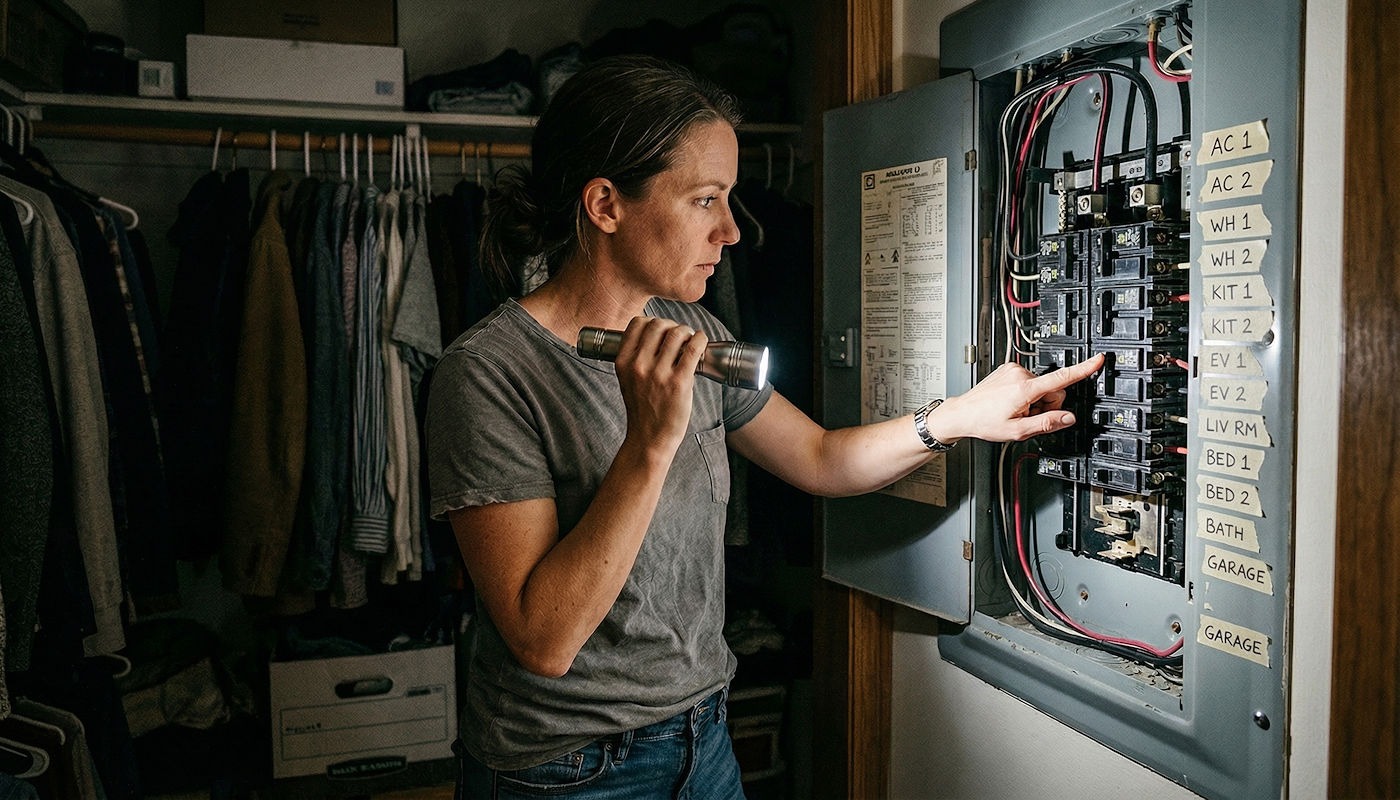

Integrating solar power generation into an existing commercial electrical system may require changes to the facility’s service and distribution infrastructure so electricity generated by the solar system can be safely introduced alongside utility-supplied power. Depending on the size of the solar installation and the existing electrical system, this can involve modifications to switchgear or distribution panels, new breakers and disconnects, additional conduit and conductors, grounding and bonding provisions, overcurrent protection, and equipment needed to connect the solar generation system at an appropriate point within the facility’s electrical distribution network.
Before these changes are made, the existing system should be evaluated for available capacity, equipment ratings, existing electrical loads, and the proposed solar system output. Larger commercial solar projects may require upgrades to service or distribution equipment, modifications to accommodate bidirectional power flow, protective equipment, metering changes, and coordination with the serving utility. The installation must also satisfy applicable electrical codes, permitting and inspection requirements, as well as utility interconnection standards.
The extent of the required electrical infrastructure changes varies considerably from one commercial property to another. A facility with modern distribution equipment and available capacity may require relatively limited modifications, while an older building or a large solar installation may require substantial electrical upgrades. Evaluating the existing infrastructure before finalizing the solar system design helps identify these requirements early and provides a safe, reliable foundation for solar generation as well as possible future additions such as battery energy storage or commercial EV charging.

Commercial Electrical Contractor Services in Sherman, TX
Commercial Electrical Inspections in Texomaland
Learn more about BOLD Electric’s Home Solar Panel Services