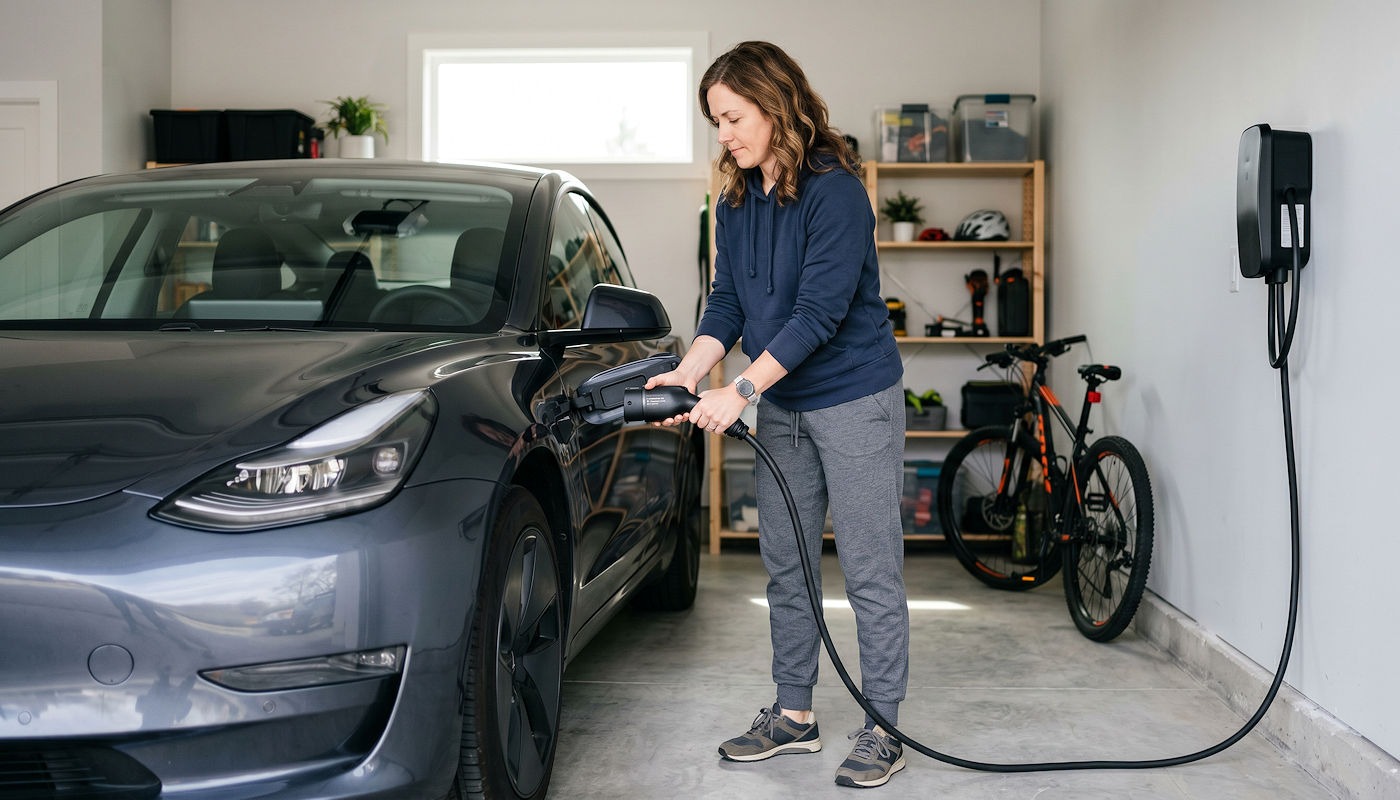
Charging time depends on your vehicle, battery size, and the type of charger you use at home. With a standard 120-volt outlet (Level 1), charging can take 24 hours or more for a full charge, making it practical mainly for low daily driving needs. Most homeowners install a 240-volt Level 2 charger, which significantly reduces charging time. With a Level 2 system, most electric vehicles can fully charge in approximately 4 to 10 hours, making overnight charging the most common and convenient approach. Charging speed can also vary based on battery size, how depleted the battery is, and your home’s electrical capacity. Larger batteries or nearly empty vehicles will take longer, while partial charges are much faster. A properly installed home charging system ensures consistent performance, allowing you to plug in at night and start each day with a reliable driving range without relying on public charging stations. BOLD Electric installs home EV charging systems across Sherman, TX and Texoma, [read more]
No. Battery systems have different electrical, ventilation, placement, and code requirements. They should be evaluated and installed as part of a coordinated electrical system design. While both systems connect to your electrical panel, battery storage systems are more complex. They must integrate with your home’s power distribution, often include backup capabilities, and may require additional safety and ventilation considerations. Battery systems are part of a broader energy management system, not just a power-consuming device like an EV charger. Proper design ensures safe operation and optimal performance. BOLD Electric designs and installs home battery storage systems that integrate seamlessly with solar panels, electrical panels, EV chargers, and smart home technologies. Whether your goal is energy independence, outage protection, or long-term cost control, battery storage provides a scalable and future-ready solution. Home Battery Storage Systems for Solar Energy Home EV Charger Installation Top 10 Benefits of Adding Battery Storage to Solar Systems
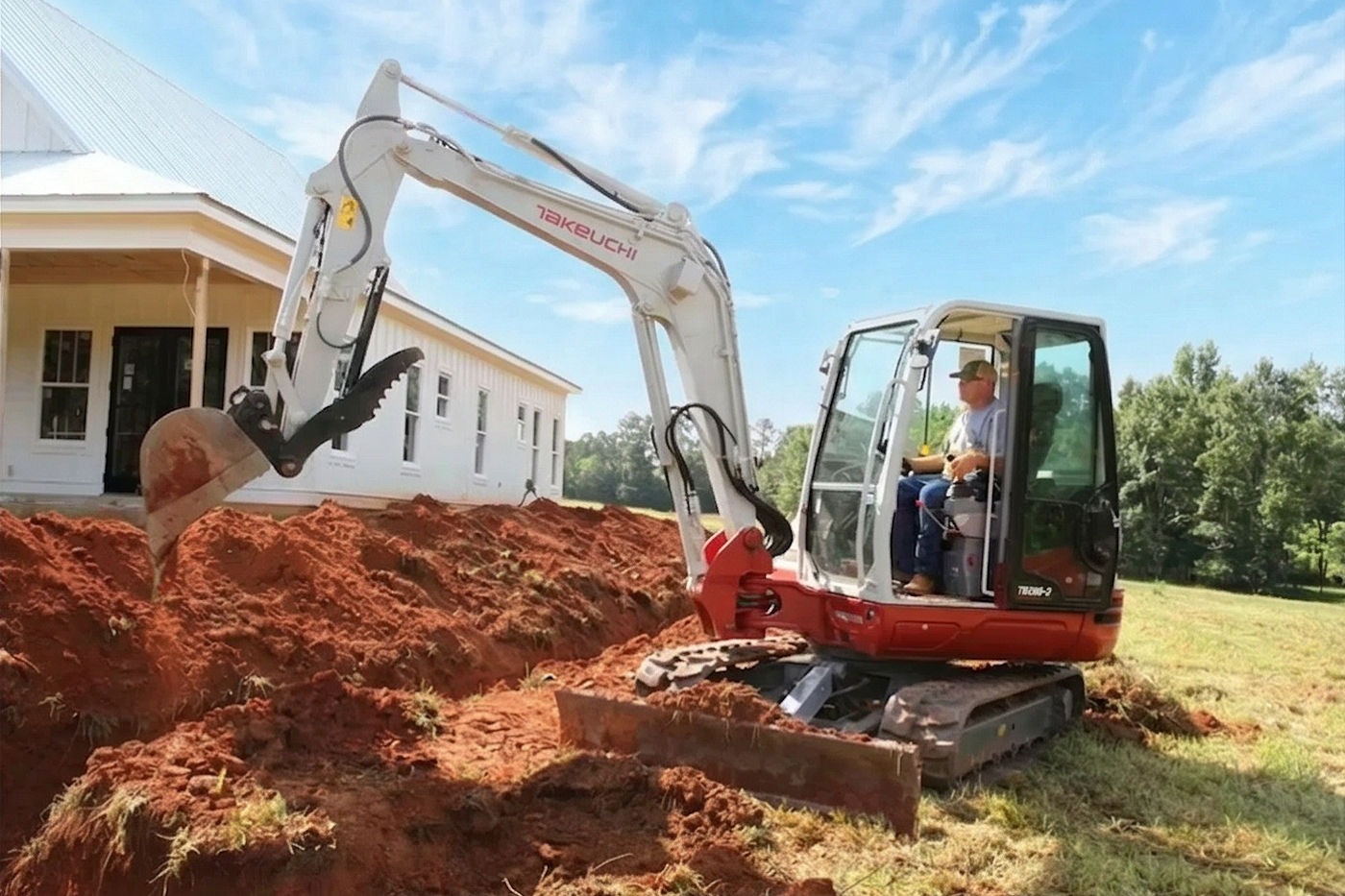
Yes. Trenching is often required when electrical lines must be safely run underground between your main panel, EV charger, solar equipment, or detached structures. The need depends on distance, layout, and local code requirements. Trenching is commonly required for EV charger installations and renewable energy systems when power must be routed underground between different parts of a property. This typically applies to detached garages, solar panel systems, battery storage units, or outdoor charging stations located away from the main electrical panel. Electrical trenching ensures that wiring is protected from physical damage, weather exposure, and code violations. Depth requirements, conduit specifications, and routing methods are all governed by local and national electrical codes to ensure long-term safety and reliability. In many cases, trenching is not just recommended—it is required to pass inspection and receive utility approval. The scope of trenching depends on distance, terrain, and system design. Proper trenching also affects system performance and longevity. Poor installation can lead to voltage [read more]
Often, yes. Commercial installations frequently benefit from load analysis to determine available capacity, future expansion options, and whether service upgrades or load management strategies are needed.
No. The grid can handle EV charging, but infrastructure upgrades and smart load management are needed as adoption increases. While EV adoption increases demand on the electrical grid, utilities and infrastructure are evolving to support this growth. Proper planning, load balancing, and system upgrades ensure reliable operation. Smart charging, time-of-use rates, and distributed energy systems all help manage demand effectively. BOLD Electric installs EV chargers throughout Sherman, TX and Texoma, including outdoor installations designed for long-term durability. Many chargers are rated for exterior use and can be safely mounted near driveways or exterior walls. Weatherproof equipment, proper mounting, and code-compliant wiring ensure safe and reliable outdoor charging. Learn about Home EV Charger Installation in Sherman TX. Learn about the Top 10 Benefits of Installing a Home EV Charger
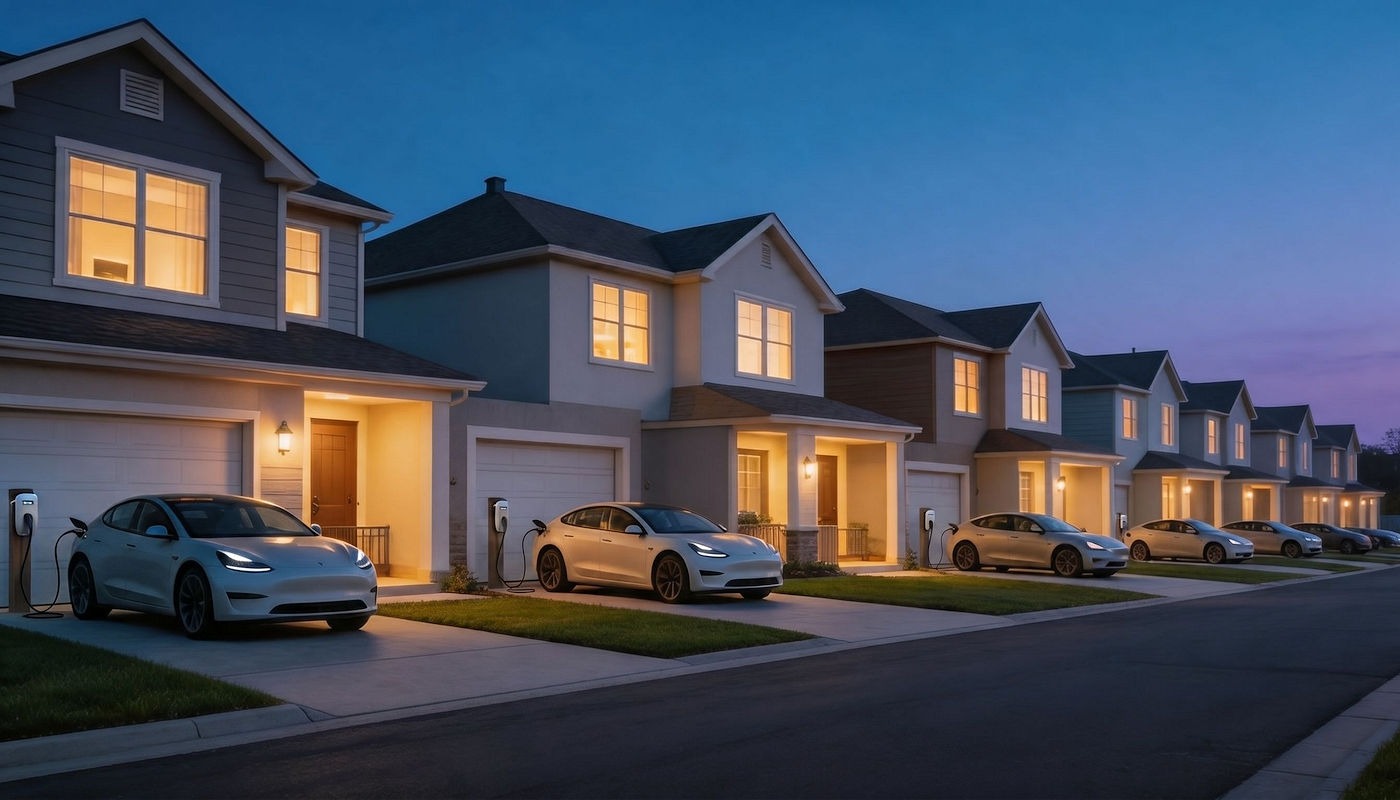
Not necessarily. With proper system design and utility planning, neighborhoods can support multiple EV chargers reliably. Electrical systems are designed with capacity planning in mind. While increased demand requires infrastructure adjustments, utilities and electricians manage this through system upgrades and load balancing. Local distribution systems may require upgrades over time, but EV charging does not inherently destabilize power. BOLD Electric installs EV charging systems throughout Sherman, TX and Texoma, helping homeowners prepare for increasing neighborhood demand. While multiple chargers can add load to local infrastructure, properly designed electrical systems and utility planning typically prevent issues. Correct installation and home-level capacity upgrades help maintain safe, reliable charging performance. Learn about Home EV Charger Installation services. Learn about the Top 10 Benefits of Installing a Home EV Charger.





Copyright © BOLD Electric | Commercial & Residential Electrical Contractor | Website by The Webmavens