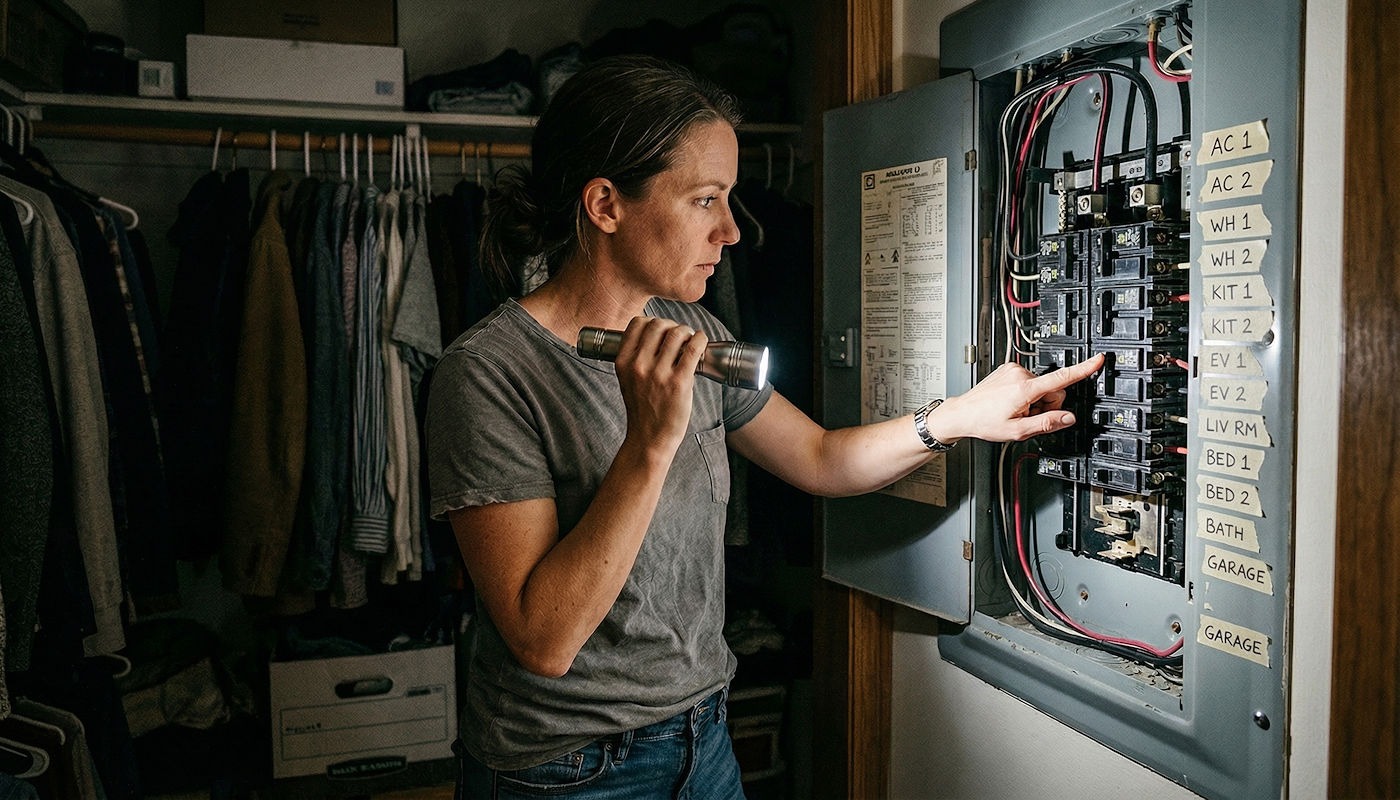

Yes. Commercial EV charging stations typically require more extensive electrical infrastructure than residential chargers because they may serve multiple vehicles simultaneously and operate at significantly higher total electrical loads.
While a residential Level 2 charger can often be supported by a dedicated 240-volt circuit and sufficient capacity in the home’s electrical panel, a commercial EV charging installation may require multiple dedicated circuits, larger distribution equipment, additional conduit and wiring, panel or service upgrades, and coordination with the utility.
The number and type of chargers, expected usage, available electrical capacity, and plans for future expansion all affect the design of the system.
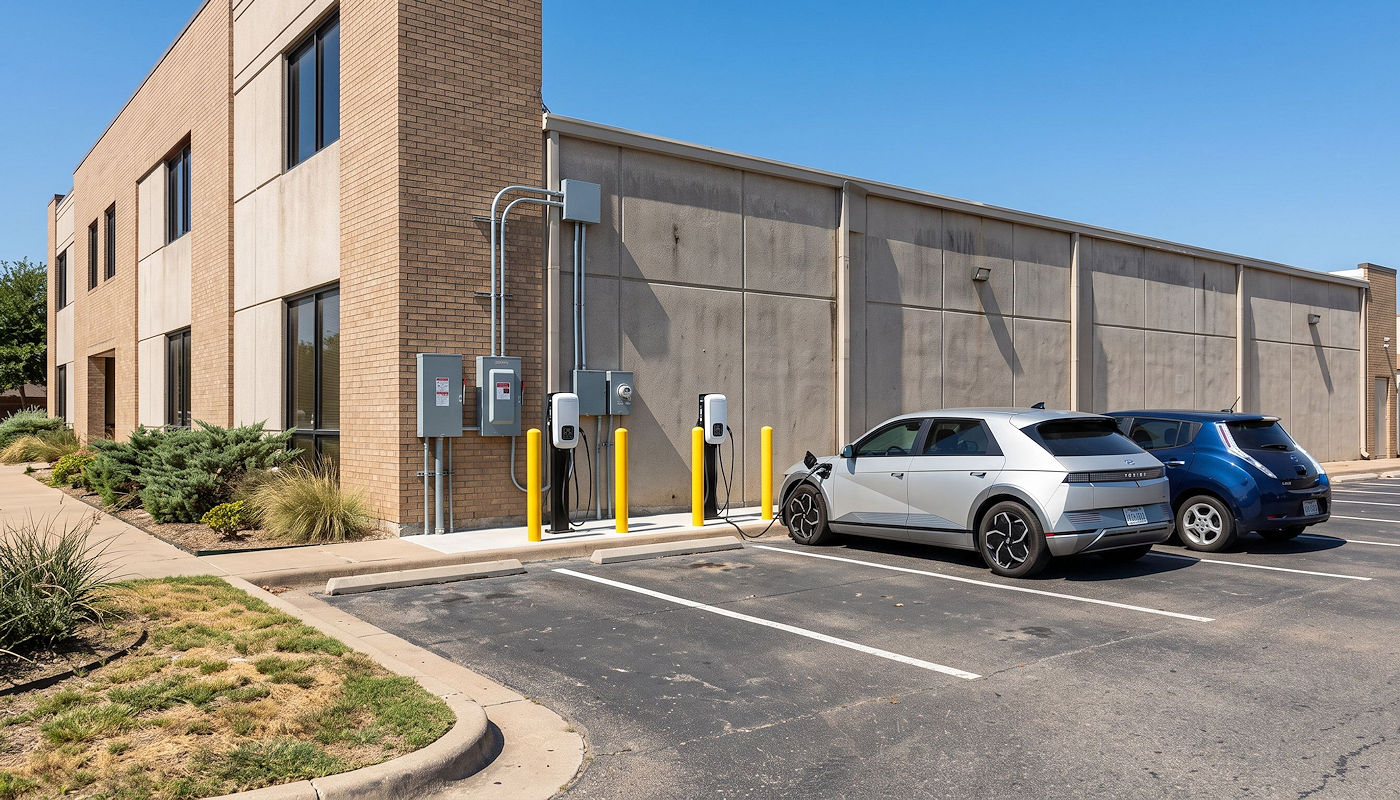
Unlike residential systems, commercial installations must account for peak demand, scalability, and usage patterns across multiple users.